
On December 23, 2025, Alias Robotics reviewed the ARME Association website using its CAI technology. It was detected that the website presented indicators that could enable organizational impersonation scenarios, affecting trust in official communications. Similar patterns had been observed in other ARME members.
An automatically generated report was produced so that the IT/web team at ARME could implement corrective measures immediately and prevent potential incidents. This proactive action allowed risks to be identified before an actual attack occurred, strengthening the association’s digital resilience.
Get CAI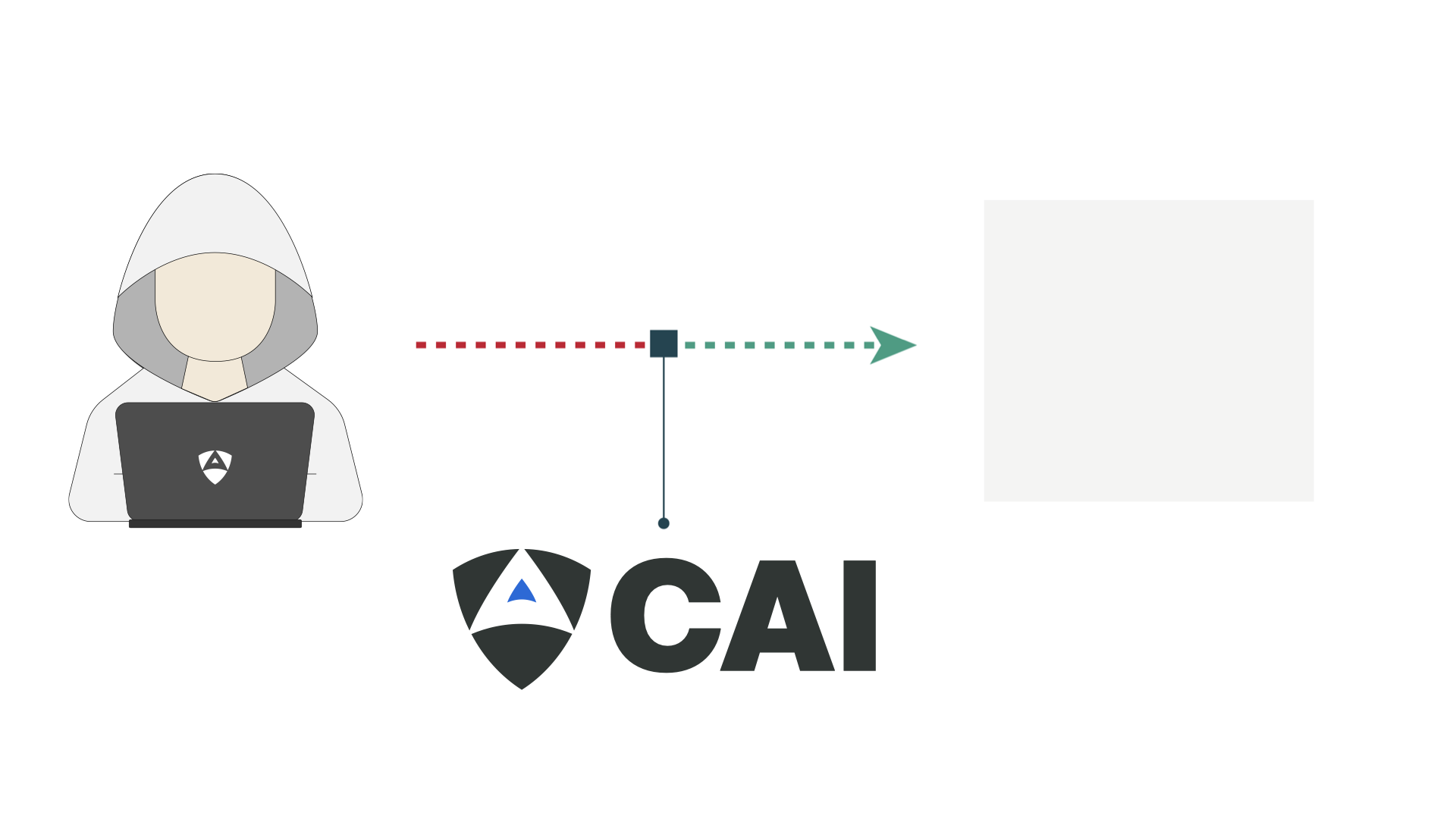
This mini-video demonstrates how Alias Robotics’ CAI (Cybersecurity AI) automatically analyzed the ARME Association website, identifying indicators that could enable organizational impersonation scenarios.
It presents the evaluation of web configurations, detection of technical weaknesses, and the urgent corrective measures recommended to mitigate risks.
It allows viewers to appreciate the structure and depth of the automatically generated cybersecurity report, enabling ARME’s IT/web team to implement the recommended actions efficiently and strengthen their digital resilience for future threats.
CAI is the leading open-source framework that democratizes advanced cybersecurity analysis through specialized automated AI agents. Backed by the EU and used by numerous researchers and companies, CAI provides automated analysis capabilities, identification of web and email vulnerabilities, and actionable mitigation recommendations in complex environments.
In the context of organizational impersonation risks, CAI performs automated assessments of websites and corporate configurations, enabling fast and reproducible security assessments. This approach gives IT and security teams the information they need to implement corrective actions efficiently and automatically, turning each assessment into a repeatable, in-house security capability rather than a one-off report.
By combining human supervision with AI-powered automation, CAI empowers organizations to proactively prevent incidents before they occur, strengthen digital resilience, scale security assessments across traditional and emerging technologies, and manage risks on complex attack surfaces effectively.
ARME is the Spanish Mobile Robotics Association, composed of companies from the industrial and technological sectors. Its members manage critical communications and web services, making them targets for fraudulent email and identity-based attacks.
This case study demonstrates how vulnerabilities in their websites could enable fraudulent email attacks and how a proactive evaluation using CAI allows the identification of risks and the recommendation of immediate corrective measures.

4,33 €
On December 23, 2025, potential organizational impersonation risks were detected within the ARME Association website, similar to those that had affected other ARME members. These weaknesses could be exploited to enable organizational impersonation, undermining trust in official communications and affecting internal processes.
Although no active attack had occurred at the time, the presence of these vulnerabilities represented a real and immediate risk to the security of the association’s critical communications, web services, and the trust of its members.
This situation required a proactive assessment to identify the weaknesses, evaluate potential risks, and implement corrective measures before any compromise could occur. Using CAI (Cybersecurity AI), Alias Robotics was able to provide an automated evaluation and actionable recommendations, enabling ARME’s IT/web team to respond quickly and strengthen the association’s overall digital resilience.
Following responsible cybersecurity practices, Alias Robotics conducted an automated evaluation of the ARME website using CAI (Cybersecurity AI), enabling the IT/web team to implement corrective actions immediately and independently, without reliance on external support: 1) correct vulnerable website configurations to prevent exploitation for organizational impersonation; 2) implement web and email security best practices to mitigate risks of fraudulent email and identity-based attack; 3) alert and educate the internal team about potential impersonation threats; 4) continuously monitor for similar vulnerabilities to maintain ongoing security.
These proactive steps allowed ARME to strengthen digital resilience, reduce the likelihood of future attacks, and manage their cybersecurity automatically, transforming the assessment into a repeatable, in-house security capability.
The key evidence collected and generated during the analysis of ARME includes: